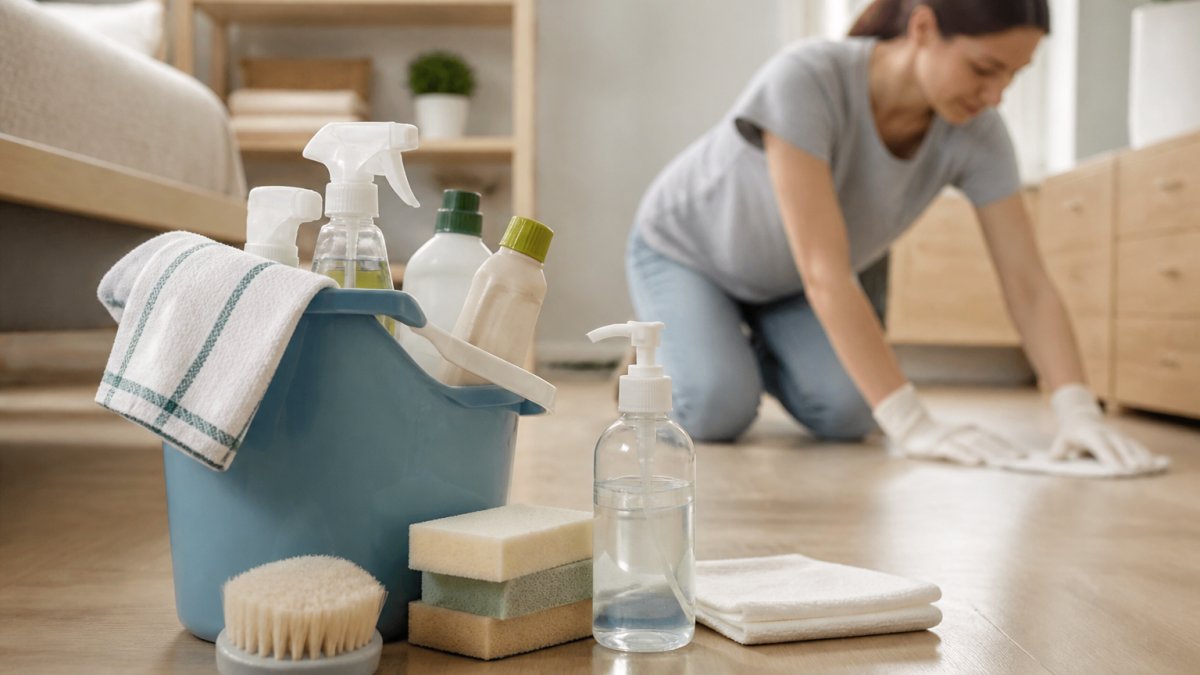
 how-to
Safe Cleaning Products for Asthma: A 2026 Guide
Table of Contents
- Why Standard Cleaning Products Can Worsen Asthma
- Cleaning Ingredients That Trigger Asthma Symptoms
- Fragrance-Free Cleaning Products for Asthma: What to Look For
- Asthma-Safe Cleaning Tips for Every Room
- Unscented Laundry Detergent for Asthma and Dust Mite Control
- When to Call a Professional for Asthma-Safe Cleaning
- Conclusion: Building a Cleaning Routine That Protects Your Lungs
- Frequently Asked Questions
Last Updated: October 16, 2026
Why Standard Cleaning Products Can Worsen Asthma
The spray you reach for after dinner can leave irritants floating in the air for hours, triggering wheezing, chest tightness, or a night spent reaching for an inhaler. This guide from Pro Edge Cleaners covers how to choose safe cleaning products for asthma, room by room, without giving up a clean home.
Asthma is a long-term condition in which the airways become inflamed and narrow, making breathing difficult. Cleaning products set off that reaction two ways: strong smells that irritate the nose and throat, and fine droplets that reach deep into the lungs.
Most guides tell you to "use green products", too vague to act on. The real work is reading labels, avoiding sprays, and knowing which ingredients to skip.
Cleaning Ingredients That Trigger Asthma Symptoms
The ingredients most likely to trigger asthma symptoms are fragrances, volatile organic compounds (VOCs), chlorine bleach, and ammonia. These show up in everything from all-purpose sprays to air fresheners, and they are the first things to cut.
Volatile Organic Compounds and Fragrances
VOCs are chemicals that evaporate into the air at room temperature. You breathe them in without seeing them. They hide in scented sprays, plug-in air fresheners, and even some "natural" citrus cleaners.
Fragrance is often the single biggest trigger. "Fragrance" on a label can stand for dozens of unlisted chemicals, and manufacturers are not required to name them. For anyone with asthma, unscented beats "fresh linen."
Bleach, Ammonia, and Other Harsh Chemicals
Chlorine bleach and ammonia are strong airway irritants whose fumes worsen when mixed with other cleaners. Never combine bleach with ammonia or vinegar, the result is toxic gas, not a cleaner (Improper mixing of common household cleaning products).
Other ingredients to watch for:
- Aerosol propellants in spray cans
- Quaternary ammonium compounds in some disinfectants
- Strong acids in bathroom and toilet cleaners
Fragrance-Free Cleaning Products for Asthma: What to Look For
The best cleaning products for asthma are fragrance-free, low-emission, and applied with a cloth rather than a spray. Look for "fragrance-free" or "unscented," not "natural" or "green," which say nothing about irritants.
Fragrance-free means no scent was added; unscented can mean a masking fragrance was added to cover a chemical smell, so fragrance-free is the stronger choice. "Natural" and "eco" are unregulated marketing terms, a citrus-scented "green" cleaner can still release VOCs that irritate airways.
Reading Ingredient Labels and Certifications
A label tells you more than the front of the bottle ever will. Flip it over and check the ingredient list before you buy, using this checklist in the aisle or online.
Step 1: Find the full ingredient list.
- A complete list names ingredients, not just categories like "surfactants" or "cleaning agents."
- If it only says "contains biodegradable surfactants" with no names, treat it as incomplete.
- In Canada, ingredient listing is voluntary; a manufacturer that discloses fully is generally better for sensitive users.
Step 2: Scan for fragrance terms.
- Avoid: "fragrance," "parfum," "perfume," "essential oil blend," "natural fragrance."
- "Unscented" may still contain a masking fragrance; "fragrance-free" is the safer claim.
- Be cautious with "smells like nothing" claims not backed by an ingredient list.
Step 3: Check for volatile organic compounds (VOCs).
- Look for "low-VOC" or "VOC-free" claims, ideally third-party certified.
- Common VOC sources include glycol ethers, terpenes (like limonene from citrus), and some solvents.
- "Plant-based" does not mean low-VOC; some plant-derived terpenes are airway irritants.
Step 4: Identify disinfectant active ingredients.
- Asthma-safer actives include hydrogen peroxide, citric acid, lactic acid, and ethanol (alcohol).
- Quaternary ammonium compounds ("quats" or "benzalkonium chloride") disinfect well but can irritate some people's airways.
- Chlorine bleach (sodium hypochlorite) is a strong irritant; avoid it where a gentler option works.
Step 5: Look for third-party certifications.
- EcoLogo (UL) and Green Seal are recognized Canadian certification marks that limit VOCs and other ingredients of concern.
- Certification is not a guarantee of zero irritation, but it means the product met a defined standard.
Step 6: Match the form to your needs.
- Liquids and creams applied with a cloth produce less airborne mist than sprays.
- Pump sprays beat aerosols, but a cloth beats both.
- Wipes are convenient, but many contain fragrance or quats, check the list.
| What to Avoid | Safer Swap | Why It Helps |
|---|---|---|
| Aerosol air freshener | Open a window | Cuts airborne irritants |
| Scented all-purpose spray | Fragrance-free liquid + cloth | No mist to inhale |
| Chlorine bleach cleaner | Hydrogen peroxide cleaner | Less harsh fumes |
| Ammonia glass cleaner | Vinegar and water | No ammonia vapor |
| "Natural" citrus spray | Fragrance-free, low-VOC cleaner | Avoids terpene VOCs |
| Quaternary ammonium disinfectant | Hydrogen peroxide or alcohol disinfectant | Gentler active ingredient |
Fragrance-Free vs. Unscented vs. "Natural": What the Claims Mean
- Fragrance-free: No fragrance has been added. This is the strongest claim for asthma-sensitive users.
- Unscented: No noticeable scent, but a masking fragrance may have been added to neutralize odors.
- Natural / green / eco: Unregulated marketing terms. They do not guarantee low irritation.
Product Use and Storage Safety
How you use and store a product matters as much as which one you buy.
- Dilute concentrates exactly as directed; stronger is not better and increases fumes.
- Never mix cleaners, bleach with ammonia, vinegar, or acids releases toxic gas.
- Keep lids closed and store away from heat and direct sunlight.
Asthma-Safe Cleaning Tips for Every Room
Asthma-safe cleaning means controlling dust and moisture, avoiding sprays, and using a damp cloth instead of a dry one. A simple routine done often beats a deep clean that stirs everything up at once, the goal is removing triggers without launching them into the air.
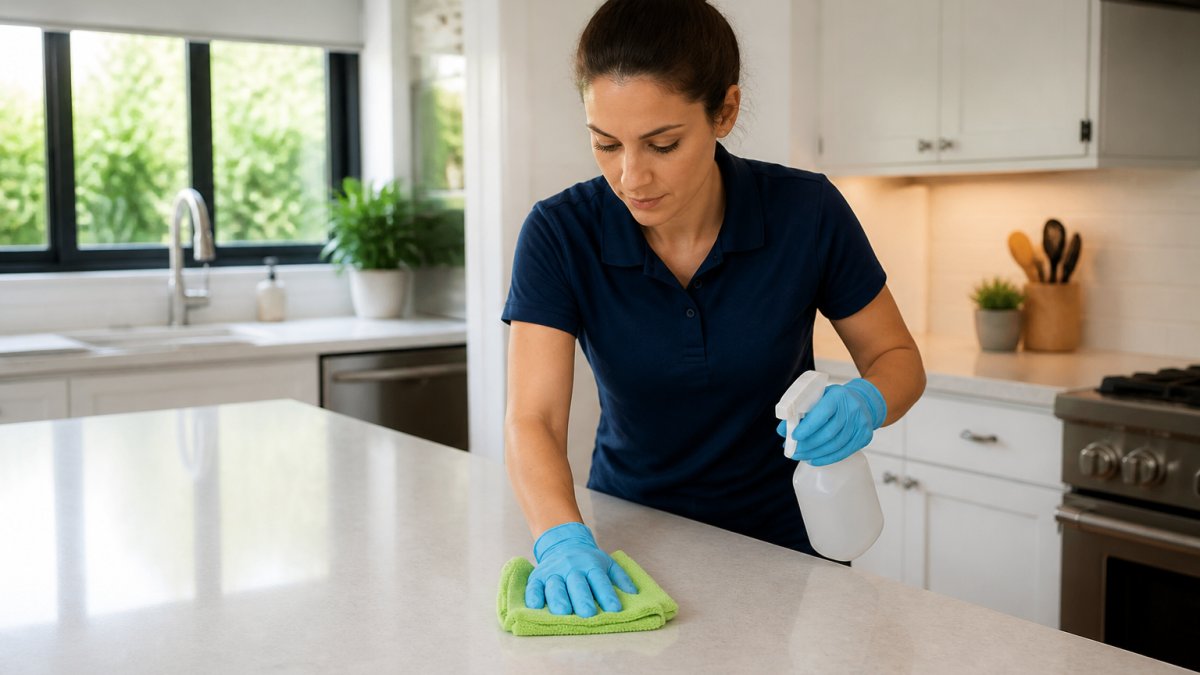
A Room-by-Room Cleaning Plan
Work through your home in a set order so dust settles in one place, not everywhere. Start high, finish low, and keep a caddy of asthma-safer supplies so you are not hunting mid-clean.
Bedrooms (weekly)
- Wash bedding in hot water with fragrance-free, dye-free detergent.
- Wipe nightstands, headboards, and window ledges with a damp microfiber cloth.
- Vacuum the floor and under the bed with a HEPA-filter vacuum. If possible, have someone without asthma vacuum, or wear an N95 respirator and ventilate.
Bathrooms (weekly, spot-clean more often)
- Scrub sinks, tubs, and showers with a fragrance-free cream or liquid cleaner.
- Run the exhaust fan during and for at least 15 minutes after cleaning.
- Check grout, caulk lines, and the toilet base for mold; treat visible mold promptly with a hydrogen peroxide-based cleaner rather than bleach where possible.
Kitchen (daily wipe-down, weekly deeper clean)
- Wipe counters daily with a fragrance-free all-purpose cleaner on a damp cloth.
- Clean the stovetop, microwave, and fridge seals weekly to stop grease and mold buildup.
- Rinse the sink drain area; food debris feeds mold and odor.
Living areas (weekly)
- Vacuum carpets, rugs, and upholstery with a HEPA-filter vacuum.
- Damp-dust shelves, baseboards, and electronics with a microfiber cloth; dry dusting just moves allergens around.
- Wash throw blankets and cushion covers regularly in hot water.
Floors (weekly, or more often in high-traffic areas)
- Mop hard floors with warm water and a little fragrance-free dish soap.
- Skip scented floor cleaners and polish; they leave a residue that off-gasses.
- Let floors dry fully before walking through, and ventilate the room.
Safe Disinfecting Without Unnecessary Exposure
Disinfect only where it matters, like kitchen counters after raw meat and bathroom handles during illness, not every surface every day. Over-disinfecting adds chemical exposure without improving asthma control.
Choose disinfectants with gentler actives when you can: hydrogen peroxide, citric acid, lactic acid, and alcohol-based products are common asthma-safer options. Check the active ingredient and concentration, and follow the listed contact time, the surface usually must stay visibly wet for several minutes to actually disinfect.
How to disinfect with less inhalation risk:
- Apply the product to a cloth or paper towel, then wipe, rather than spraying into the air.
- Never spray toward your face or into a fan or vent.
- Open a window or run an exhaust fan during and after use.
Cleaning Precautions for Severe Asthma
If your asthma is severe or easily triggered, some cleaning tasks may not be safe for you at all. Options include:
- Asking a household member or professional service to handle vacuuming, bathroom scrubbing, and any fume-heavy task.
- Leaving the home while cleaning happens, then returning after it airs out.
- Wearing a well-fitted N95 respirator if you must be present, not a substitute for ventilation.
Talk to your healthcare provider about which tasks are safe for you and what to do if symptoms start during or after cleaning. This article is general information, not medical advice.
Ventilation and Air Quality Basics
Good ventilation is one of the simplest ways to reduce exposure. Open windows when weather allows, run exhaust fans in kitchens and bathrooms, and change HVAC filters on schedule. Avoid air fresheners, plug-ins, and scented candles, they add fragrance chemicals rather than removing anything. If outdoor air quality is poor, keep windows closed and rely on filtration.
Unscented Laundry Detergent for Asthma and Dust Mite Control
Unscented laundry detergent is one of the highest-impact swaps for anyone with asthma. Dust mites thrive in bedding and fabric, and scented detergent adds a second trigger on top of the first.
Wash bedding, pillowcases, and curtains weekly in hot water with a dye-free, fragrance-free detergent. Skip fabric softener and dryer sheets, which coat fabric in scent that lingers for days.
A few habits that help:
- Use mattress and pillow covers made for allergies
- Keep indoor humidity low to slow dust mites
- Vacuum with a HEPA filter weekly
- Wash stuffed toys and throws often
When to Call a Professional for Asthma-Safe Cleaning
Sometimes the safest move is to hand off the job. A deep clean, a move-out, or a home with heavy dust and mold can stir up more irritants than a person with asthma should handle.
That is where a service using environmentally safe products makes a difference. Check current pricing on our website and see how a detail-focused clean fits your home.
Conclusion: Building a Cleaning Routine That Protects Your Lungs
A safe cleaning routine is not about doing more, it is about choosing the right products, using them correctly, and keeping your home's air clean.
Start with the swaps in this guide: fragrance-free cleaners, unscented detergent, damp cloths instead of sprays, and good ventilation. If you want that handled for you, Pro Edge Cleaners brings eight years of industry experience, eco-friendly products, and a focus on the details that keep your space healthy.
Frequently Asked Questions
Which cleaning products are safer for people with asthma?
Products labeled fragrance-free and made with hydrogen peroxide, citric acid, or lactic acid are generally safer. Avoid aerosol sprays, air fresheners, and anything containing chlorine bleach or ammonia. Look for certification seals that verify low volatile organic compound content. Simple mixtures like baking soda, vinegar, and dish soap also work well for many surfaces without adding irritants to your indoor air.
What laundry detergent is good for asthma?
Choose unscented laundry detergent for asthma management. Fragrance-free and dye-free formulas reduce chemical exposure from residues left on bedding, towels, and clothing. Liquid detergents often rinse out more completely than powders. Avoid fabric softeners and dryer sheets entirely, since they coat fabrics with fragrances that release into the air and can trigger symptoms throughout the day.
Can cleaning products trigger asthma symptoms even if I don't feel anything immediately?
Yes. Some reactions build over time with repeated exposure. Volatile organic compounds and fine particles from sprays can inflame airways gradually. You might notice symptoms hours later or the next morning. This delayed response makes it harder to connect the cause, so tracking when symptoms appear after cleaning sessions helps identify problem products.
How can I clean my home while reducing asthma triggers?
Start by switching to fragrance-free products and skipping aerosol sprays. Use microfiber cloths and wet cleaning methods to trap dust instead of scattering it. Ventilate rooms by opening windows or running exhaust fans during and after cleaning. Establish a regular routine so dust and allergens never accumulate. For deep cleans or if your asthma is severe, a professional service using asthma-safe products can reduce your exposure significantly.